Built for the world.
Proven in production.
DehazeLabs engagements result in production systems, not strategy documents. These are the anchor deployments that define our practice — the work that established our depth in data center AI, edge perception, and multimodal platforms.
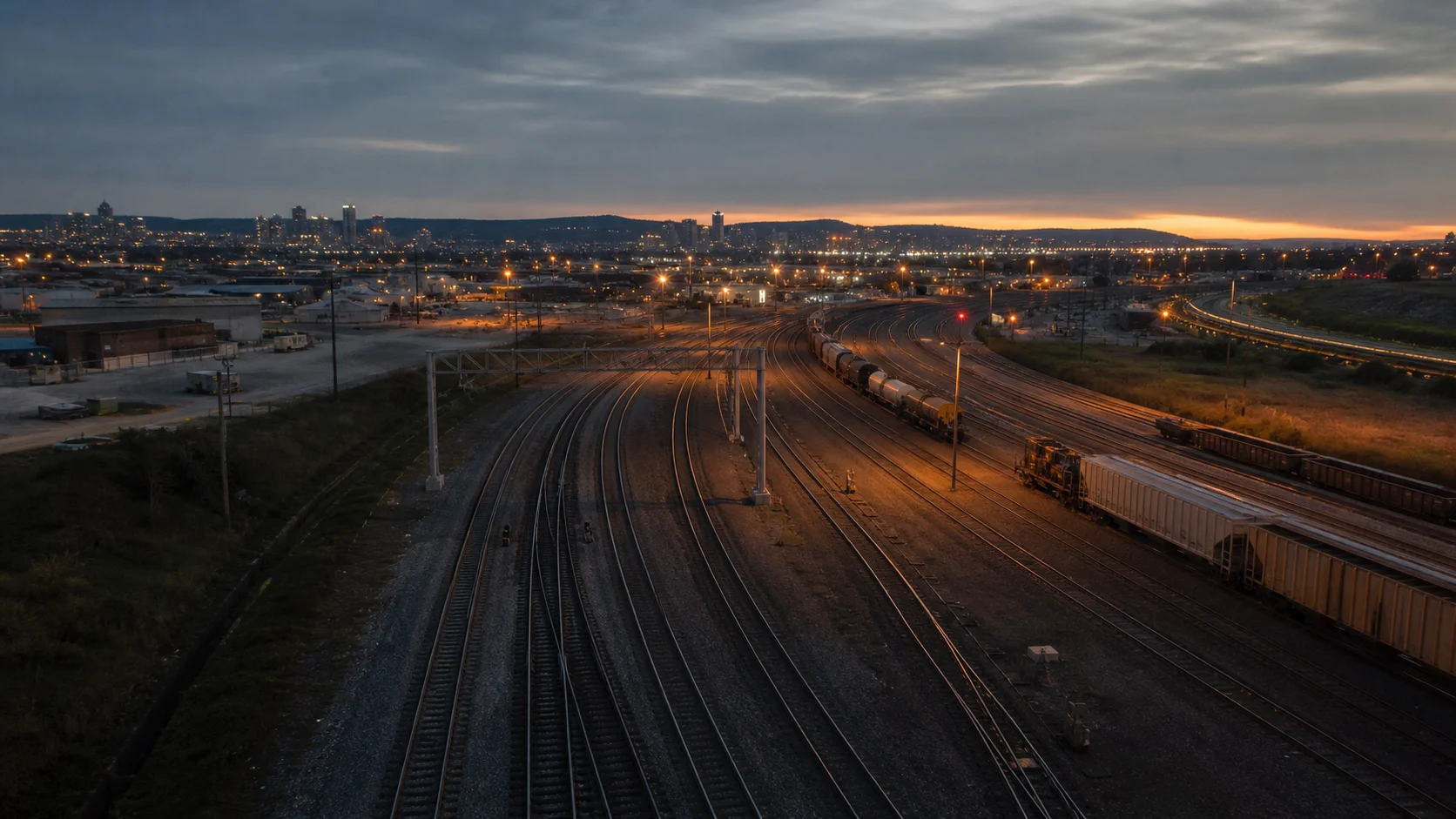
Real-time SIEM pipeline at telco scale — distributed, sub-second threat detection across T-Mobile's network infrastructure. DehazeLabs built the ingestion, normalization, and detection layer that processes operational event streams at carrier volume. The agentic reasoning layer interprets signals, classifies incidents, and routes escalations with full context.
— Director of Technology Innovation, T-Mobile
Smart-city edge ML and perception data platform for automated traffic enforcement at scale. DehazeLabs built the end-to-end stack: real-world video ingestion from edge cameras across municipal deployments, frame-level structured datasets, production inference pipelines for vehicle and violation detection, and the data architecture that makes the system operable across a city-scale deployment.
Multimodal AI platform built from zero — video, audio, and document intelligence at production scale. DehazeLabs designed the data architecture, built the CV detection and LLM validation pipeline, implemented hybrid RAG retrieval, and shipped the agentic workflow layer. The confidence-stratified review queue — high-confidence outputs routed to production, borderline cases to human review — drove a 90%+ reduction in manual review burden.
AI/ML systems for logistics routing optimization and container unloading workflows. DehazeLabs built routing models trained on historical trip data, real-time re-routing logic incorporating traffic and availability signals, and CV for dock and container operations. ML-powered optimization across hard and soft constraints — driver preferences, dwell time patterns, reload sequences — that rule-based systems fail to handle in edge cases.
AI-assisted visual inspection for leather hide quality control across Maryadha's factory network. 4-week lighthouse: standardized raking-light capture protocol, defect taxonomy (scratches, wrinkles, stains, cuts, discoloration, edge damage), 500+ images labeled via CVAT, FiftyOne dataset with class-balance analysis, baseline defect classifier, and an operator review dashboard showing grade outcomes (acceptable/rework/reject) with batch-level analytics. The first facility where none of this existed before.
Physical AI Data Flywheel engagement — MCAP log ingestion, multi-signal incident detection across localization, navigation, and perception topics, Claude-assisted triage hypothesis for each flagged incident window, FiftyOne frame curation with CLIP embeddings for visual similarity search, and CVAT annotation task export. Turns raw robot failure logs into a labeled, queryable ML dataset in 90 days. Client details available under NDA.
Anchor design partner for Company Brain. Phase 1 in active build over GHR's existing operational stack (Sell.do, In4Velocity, Inncircles, Keka, Matrix). Built on GHR's own Anthropic account, registered as a service project with the Claude Partner Network. The Cascades is a 5-tower luxury residential development at Neopolis, Hyderabad.
Full case studies available under NDA for qualified prospects.
Building something that belongs on this page?
We work best with teams that have a real operational problem and want a system that ships — not a roadmap document. Tell us what you're trying to build.