Define the task
Agree on the part, defect, throughput target, and intervention rules.
A task specification and baseline.From foundation models to real-world robotics.
We integrate existing robots, computer vision, foundation models, simulation, and production software to develop intelligent automation systems.
Three independently sourced scenes illustrate the engineering context. Simulation is shown first, followed by real factory footage; these are not Dehaze deployments or one sim-to-real experiment.
See the operation.
Engineer the right intervention.
Layout, movement, and the people around the task.
Robots, perception, tooling, and adapted intelligence.
Systems integration, acceptance, and continuous improvement.
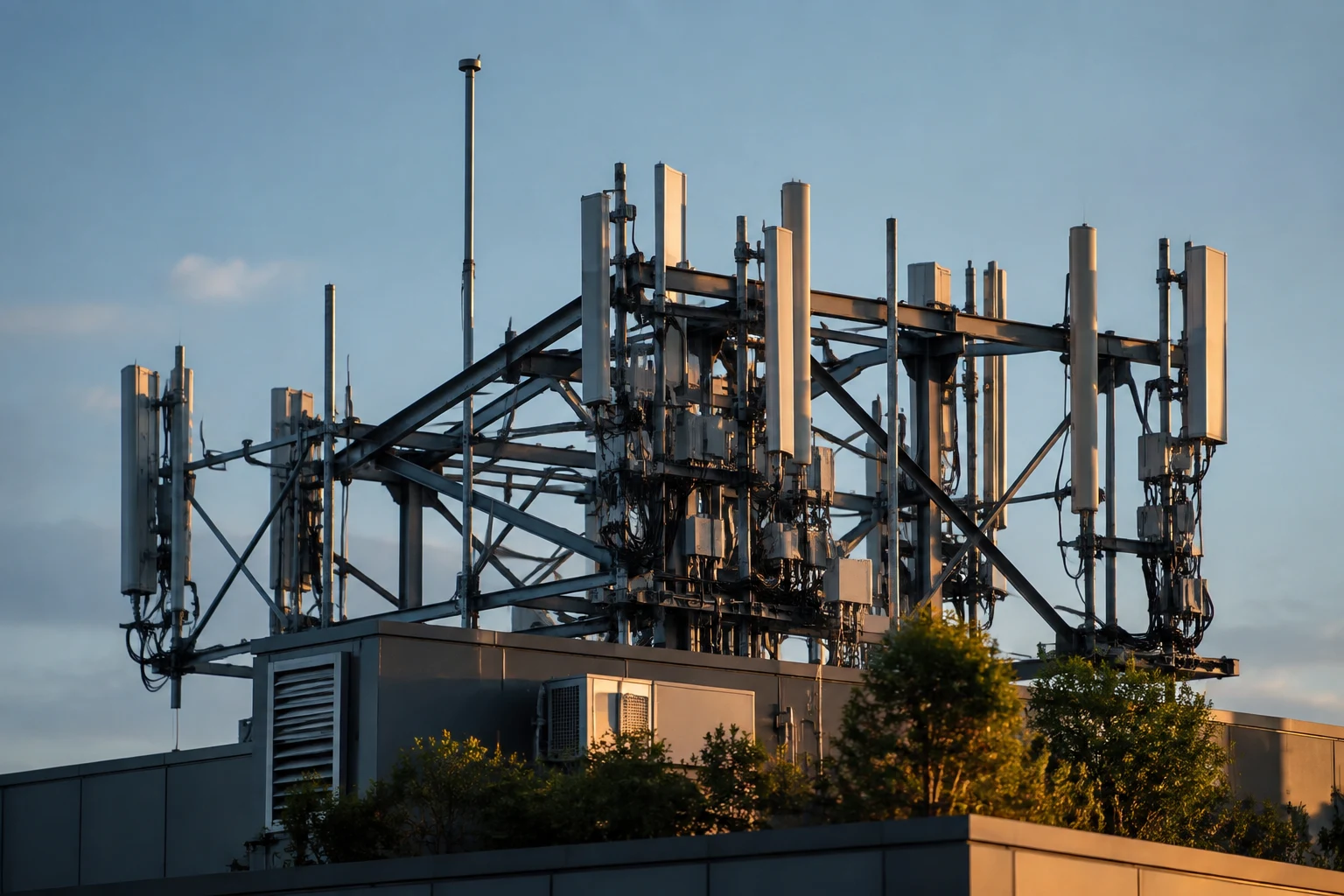
Physical AI & Robotics leads our work. Infrastructure and applied AI engineering connect it to the rest of your operation.
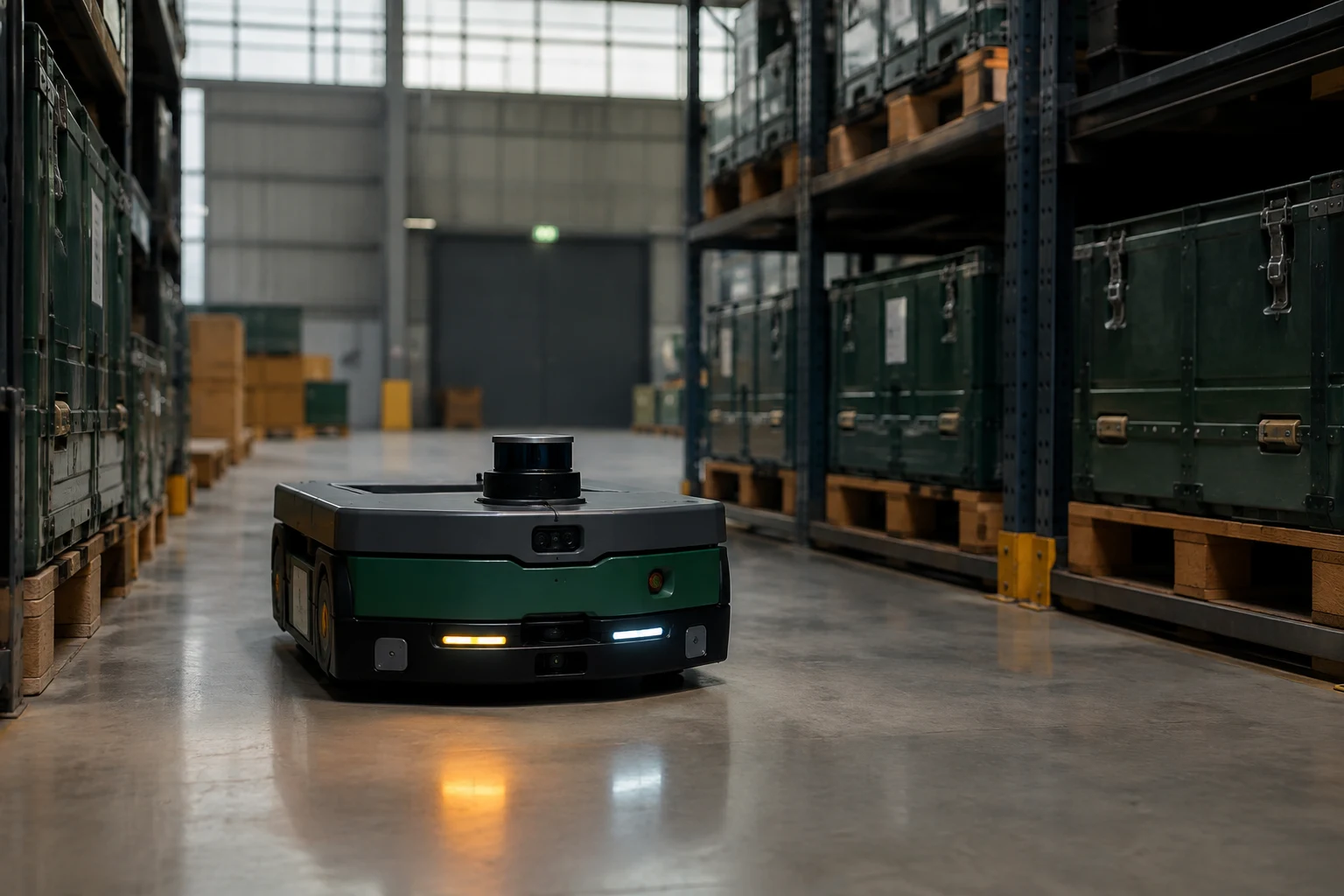 ↗
Robotics integration, task adaptation, simulation, perception, and operational reliability—with qualified partners for physical deployment.
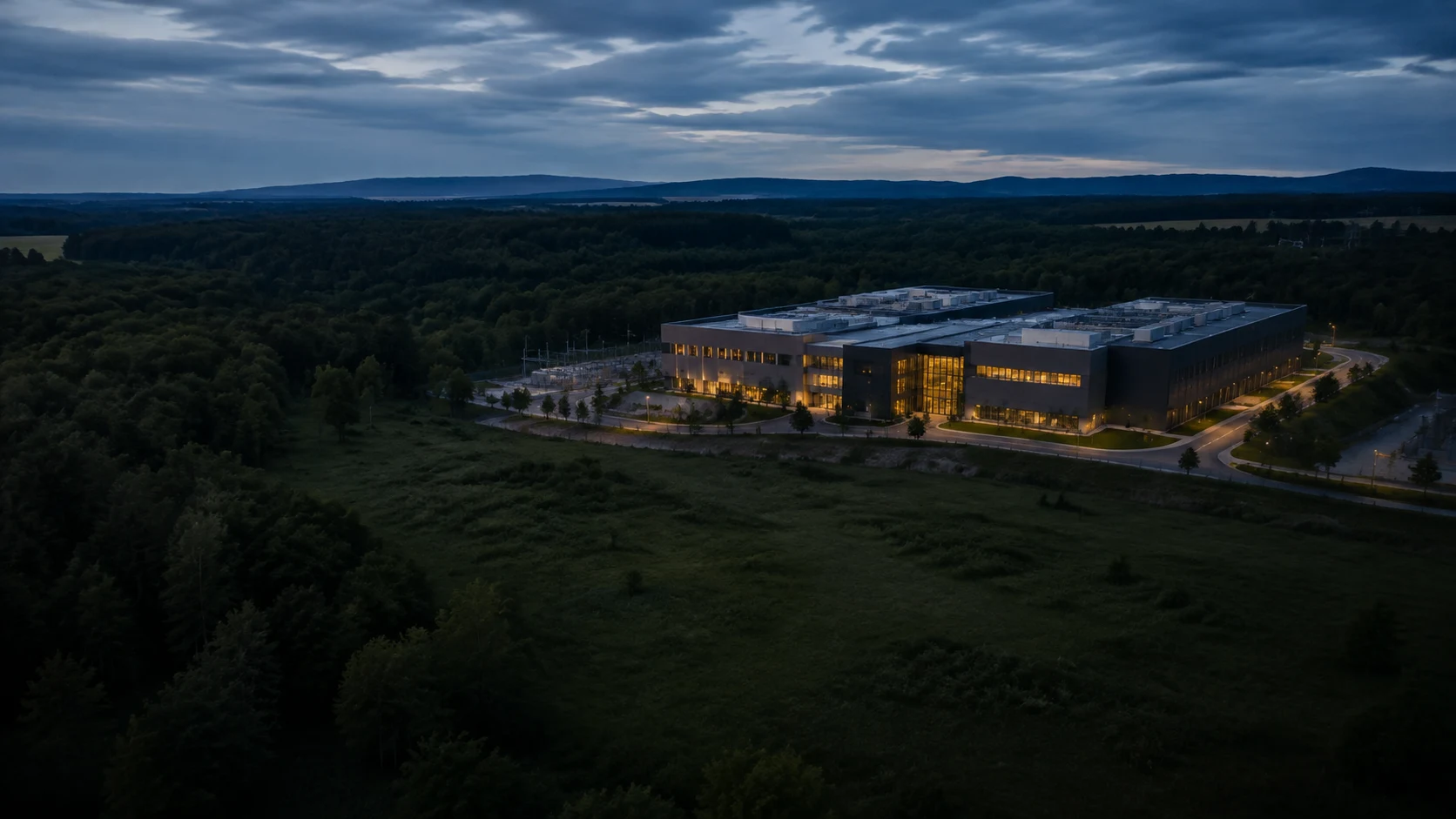 ↗
GPU infrastructure, data platforms, distributed systems, telemetry, observability, and production MLOps.
Computer vision, multimodal applications, agents, edge inference, model adaptation, and custom enterprise software.
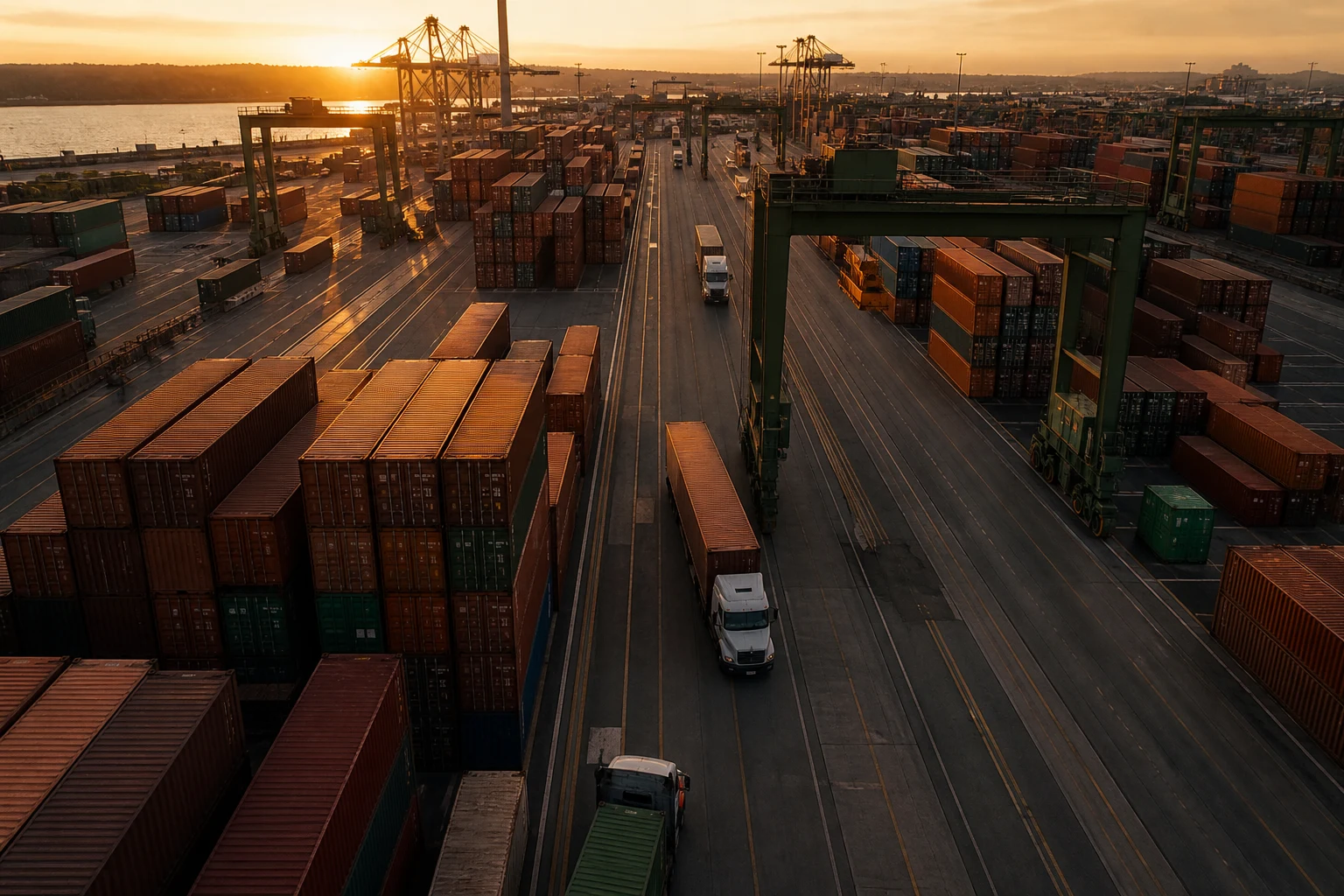
A robot works inside an operation: production lines, material flow, people, and site systems. Simulation helps explore that context. Physical trials show what holds up on the floor.
An existing simulated warehouse illustrates how layout and spatial context can be represented before physical testing.
A real automotive production cell brings robots, tooling, and material handling into view. Illustrative footage, separate from the simulation.
Two independent industry examples: a warehouse simulation and a real factory demonstration. Neither is a DehazeLabs deployment.
We help you select a useful starting point, connect existing hardware and AI, evaluate the application, and support deployment with qualified partners.
Explore our robotics engineering ↗Agree on the part, defect, throughput target, and intervention rules.
A task specification and baseline.Represent the robot, camera, tooling, and working envelope. Check the assumptions that need physical testing.
A workcell model and interface plan.Connect perception and task software. Evaluate established models and demonstration data where they fit the workflow.
A task adaptation and evaluation plan.Test defect detection, handling, exceptions, and the limits of the simulated environment.
Results against agreed acceptance criteria.Integrate site systems and support a bounded pilot with qualified hardware and deployment partners.
An agreed commissioning and handoff plan.Record outcomes and interventions. Investigate failures and prioritize the next engineering change.
An evidence record and improvement backlog.Illustrative application path. Hardware suitability, performance, site requirements, and partner responsibilities are evaluated for each engagement.
Connect signals from the physical world.
Turn operational data into context.
Build reliable decisions into everyday operations.
Explore the wider robotics ecosystem through these publisher films. These are industry references, separate from DehazeLabs work.
Customer work across perception, data, infrastructure, and applied AI supports our robotics practice. Each case retains its own scope and delivery stage.
Exported scan comparisons · approximately 10× playback
Simulation telemetry, not camera footage or a product UI recording.
The cached triage report flags a localization-degradation hypothesis. An engineer still needs to compare the signals, fill the evidence gaps, and validate the cause.
The model reported medium confidence. That is not a performance score. The saved artifacts do not establish a confirmed cause, human approval, or an improvement in robot performance.
The source report asks for additional scan/map, odometry, and costmap context. The plots shown here are separate exported reference artifacts.
Explore the tools we build for infrastructure, business knowledge, and robot operations.
Explore how Company Brain connects a business question to the records behind it.
02 / InfrastructureFollow a readiness review across compute, network, power, and cooling.
03 / Physical AISee how raw robot logs become evidence a reviewer can turn into a curated dataset.
Start with an automation opportunity. We assess feasibility, integrate commercially available hardware and tooling, adapt AI to the task, and validate performance with qualified deployment partners.
AI adaptation, application software, evaluation, and operational intelligence.
Hardware integration, installation, site engineering, and commissioning within the agreed scope.
Workflow knowledge, site access, operational ownership, and acceptance decisions.
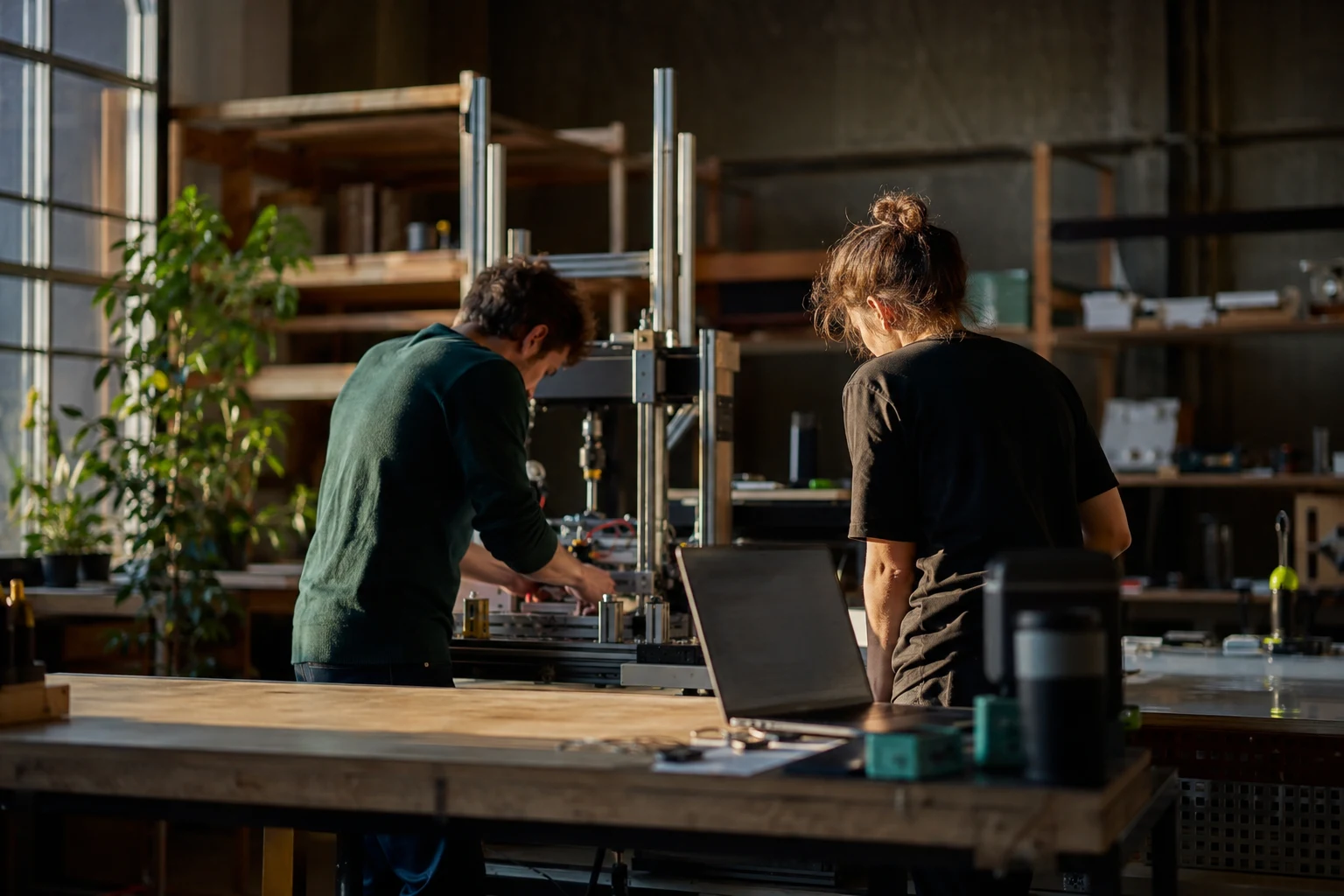
Our engineers embed directly into your team. From architecture and data infrastructure to deployment and ongoing operation, we own the work with you.
US-based partnership leadership. Engineering depth across Hyderabad and Bengaluru.
How we work ↗Connect knowledge, infrastructure, and workflows around a defined application. Our engineering teams connect the application. Robot Ops, EdgeTelemetry, and Company Brain provide purpose-built tools for robot operations, infrastructure, and business knowledge.
An automation assessment turns an open-ended idea into a task, a set of feasibility questions, and a practical pilot decision.
The workflow, operating constraints, and baseline.
Existing platforms, tooling, sensors, and integration needs.
The technical unknowns and evidence needed to resolve them.
What to measure and how to make the go/no-go decision.
Scope is agreed before work begins. An assessment can recommend a pilot, further investigation, or a decision not to automate.